
Posts Tagged ‘books’
Face in the Mirror & Behind the Bedroom Door: two books you’ll love
I love memoir anthologies, and I have two marvelous ones to recommend to you. Both offer engrossing, well-crafted, personal stories from seasoned writers, many–maybe most–of them our age.
Face in the Mirror: Writers Reflect on Their Dreams of Youth and the Reality of Age,
Sometimes the “face in the mirror” theme is literal: appearance, self-image. Other times these writers look at their upraising, their goals, their career choices, their relationship mistakes. The stark difference between where they thought they were headed and where they actually ended up should be a useful warning to young people fretting about their goals. Whatever you plan won’t work the way you think. And that’s usually a good thing.
Behind the Bedroom Door: Getting It, Giving It, Loving It, Missing It
Some of these essays are sweet, like Hope Edelman’s memory of 15-year-old sex (“Two people touching each other in all the right places, because there were no wrong places then, doing it for no reason other than it felt good and to keep doing it felt even better.”). Some are full of erotic discovery, energy, self-assertion. Some may disturb you, like Abby Sher’s essay about anorexia, cutting and a lover helpless to stop either, and Julie Powell’s essay about her need for rough sex (“D was a perceptive lover, perceptive enough to know before I did that I wanted him to hit me, control me, hurt me.”) All are powerfully written.
If you’re still making gift-giving decisions, you can’t go wrong with one of these books. For other recommended books that I’ve reviewed, click here.
Widow’s personal story of “touch deprivation therapy”
Ellen Taft wrote me this moving email and gave me permission to publish it here:
I can’t thank you enough for all you’ve done to help me get back out there again after losing my husband of 37 years in December of 2007. I’m 63 today, and it’s been a terrifying and exhilarating experience.
My husband died a year and a half ago. It had been over 40 years since I’d dated. Getting back out there has been a real trip! But I’ve done it, largely with the help from Joan’s book, Better than I Ever Expected, and her blog here with the wonderful information and links. The link to Judith Sills, and her book, Getting Naked Again, gave me the final push.
Sills suggested having a friend “mentor” your reentry into getting naked again. So that’s what I did. I asked a dear friend and fellow recent widower to help me in this tremendous step. We had been dating for a few months, very cautiously, as he is a more recent widower, and not ready for any new relationship, but this mentoring idea appealed to him.
We “negotiated” which means we clarified just what we were doing and why, so no one would be mislead. We shared our feelings about our bodies, what we needed the other to know, our limitations, and our fears.
I asked that we use condoms or get tested for STDs. It was an amazingly honest and open sharing, and I attribute the comfort level we experienced to our “negotiations.” Once we knew these intimate details about each other, the concern and caring that followed made the whole experience positive.
I had done a lot of reading, too, including Michael Castleman’s Great Sex, also mentioned in Joan’s blog, and all my reading paid off.
It was a wonderful, amazing three hours. Neither one of us could believe how smoothly it all went. We both enjoyed it so much and were so relaxed we have continued the relationship. We call it “Touch Deprivation Therapy,” and oh, how it helps!
Thank you, Ellen. I’m thrilled that you shared your experience with us and that my book recommendations helped you! (Read these and my other book reviews here.)
X: The Erotic Treasury: 40 sexy stories
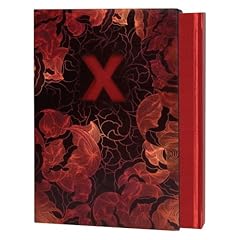
I took a month to read and savor X: The Erotic Treasury edited by Susie Bright, rationing myself just one or two of the 40 stories a day so I could think about them. This anthology is unusual for several reasons:
1. It’s a beautiful gift book, its cover decorated in a deep, shiny, rich, red pattern that looks almost like brocade, inserted into a fancy, equally decorative, cardboard holder with an “X” cut out.
2. The stories are really well-written. Most erotica just plops the reader into a sex scene, but most of these stories actually have plot development and character nuance.
3. This anthology runs the gamut of sexual preferences and turn-ons. Whether or not a particular story or sex act turns you on personally, it’s a rich collection of what rings people’s chimes.
My sexual tastes are admittedly tame compared to most of the characters in these stories. I don’t personally fantasize about being raped, dominated, gang-banged, or forced to go to the office in a tight corset with painful studs. But even the stories that didn’t turn me on personally were intriguing. I got to see an edgy side of people’s sex urges that I found fascinating. For example, I’ve never had the urge to be penetrated by a shoe (“and then it was inside of me, that perfect leather-covered heel”) or to invite five strangers to come on my face, but I won’t forget these stories anytime soon.
In case you’re wondering, you won’t find characters our age in these stories — most are of the instantly aroused, sopping-wet-panties generation. Bill Noble’s male character in the intricately plotted “Salt” has a gray ponytail, hurray.
Notable is the frequent use of condoms in these stories — hurray again. I’ve often thought that condom use would become more accepted if it was seen as part of erotic foreplay, and these stories play up that angle.
X: The Erotic Treasury is available in hardcover and Kindle edition. Although the hardcover is expensive, it’s a beautiful, spicy gift for your lover or yourself.
Ask Me about My Divorce: interview with Candace Walsh
 I started reading Ask Me About My Divorce: Women Open Up About Moving On, a bit worried that it would address concerns and experiences of young women exclusively and not be relevant to us. I’m delighted to be wrong. Although the editor, Candace Walsh, is a young mother, she has an old soul (that’s a compliment) and a mature perspective. The essays she chose for this anthology are filled with wisdom, good writing, and stories that make us nod, remember, often laugh, and sometimes cringe.
The women in these 29 moving essays went through divorces that were sometimes devastating or brutal, but in hindsight, usually inevitable. In some, the women initiated the divorce; in others, they were blindsided by it. Yet all the writers found themselves on a path to self-discovery that was far more enriching and joyful than their marriages had been.
Because I knew I would review the book on this blog, I looked for evidence that some of the writers were over 50. Aha, here’s a clue: this one wore combat boots underneath her wedding dress, six months pregnant with “The Hippie’s” child, and red pumps to her divorce. Ah, this one’s certain: she celebrated her 60th birthday by getting a tattoo….
As I read, I was swept away into the worlds of these courageous women who reinvented themselves after their divorces, and I discovered that it didn’t matter whether they were our age or not. Many of us remember our own divorces with the revelation that we would not have become the people we are if we had not followed that path, willingly or not.
I asked editor Candace Walsh about her insights:
JP: Did you choose these authors and essays because they were able to move on in a rewarding way?
CW: I looked for stories that relayed a “thriving after divorce” experience. I did choose these essays because the women were able to powerfully relate how they had utilized this moment of divorce as a portal to a better life.
JP: Do you think most divorces do — or can — turn out to be a good thing?
CW: My dad told me, “The year your mother and I split up was the worst year of my life. But since then, I’ve had the best years of my life.” There are indeed second acts in American lives. Let’s face it. If you partner leaves you, you have a much better chance of a better life after divorce because otherwise, you’d be with someone who’d really rather not be with you.
JP: About what percentage of these authors are over 50 compared to the younger writers in your anthology?
CW: About 15%.
JP: Does the perspective of age color how your older authors now see their divorces and their lives since then?
CW: It seems to me that they have more of a sense of wanting to seize the day. They also look back and are more forgiving; they feel compassion for their younger selves and their exes. “I don’t know then what I did now, but how could I have?” They appreciate how much more opportunities divorced women and women in general have now than they used to.
JP: What would you say to women over 50 who are in unsatisfying marriages now, but are frightened that being on their own might be worse?
CW: I would say, “Listen to your gut.” It would be easy for me to say, “Take the plunge!” But every situation is different. If both parties are willing to work to improve the relationship and make the other person feel special, treasured and loved, there’s a good chance that it could become something worth preserving. If you feel like you’ve come to the end of the road, or if you and your partner are unwilling to put any reviving energy into the relationship, or if you’re dealing with someone who’s verbally or physically abusive, you may as well get off that bus and begin anew. Today is the first day of the rest of your life.
If you’re over fifty, you have a good 30+ years ahead of you, God willing, and why not enjoy those years? They don’t consist of an epilogue. No way. I am so excited to experience the decades ahead because it seems like a shroud has been lifted and women’s ability to live active, vibrant, sensual, successful lives has been dramatically expanded.
JP: Are your readers exclusively women who are divorced or contemplating divorce?
CW: One young unmarried woman said that it should be required reading for all women before they get married. We need to have a better grounding in the realities of marriage before we sign on. It’s too easy to be seduced by the expectation of a fairy tale. As little girls, we thought we were learning about love by watching princess movies.
What if we’d been coached in relationship skills instead? How to listen, how to take responsibility for our own needs, how to feel anger without lashing out, how to esteem and honor the other as we do the same for ourselves, how to talk about the elephant in the room, how to diplomatically bring up issues before simmering resentments harden into calcified, love-damaging deposits, how to be conscious of what triggers us and take the time to dismantle old hurts so that they don’t dictate our futures. And how to learn from our mistakes so that we don’t repeat them the next time.
Sure, it wouldn’t be as transporting as watching Cinderella whisked away to “happily ever after.” But it might just make happily ever after less of a fairy tale.
Candace Walsh is the editor of Ask Me About My Divorce: Women Open Up About Moving On. She’s also the features editor at Mothering, and mom to two sassy and delightful children.