
Posts by Joan Price
His heart was beating under my hand

I had a beautiful dream about Robert, and as I approach the second anniversary of losing him, I keep rerunning the dream in my mind.
In the dream, I awoke to the sound of a song playing in my living room. I went down the steps, and there was Robert dancing! He was spinning so fast that he was almost a blur. He was dancing as he must have danced as a young man, before I knew him, when he was studying ballet and modern dance. I watched with love and amazement.
He slowed his spinning, then stopped and smiled at me, that tender smile that filled his eyes with softness. I put my hand on his chest, hot and moist from his exertion. Then the most wonderful part of the whole dream: I felt his heart beating under my hand!
So many times in our seven years together (exactly, from first kiss to last), I rested my hand on his beating heart. It was always the first place I touched when we came together. It was where my hand rested when we snuggled after making love. I loved his fuzzy chest hair–the touch and smell and heat of it–and I loved his beating heart.


Fun is Sexy: Making Love Before Making Love
Robert and I had rituals, made-up words, silly secrets, and special games that warmed us with laughter, kept our intimacy strong, and made us feel like we were making love all day long. Silly things, sometimes – like “Panda.”
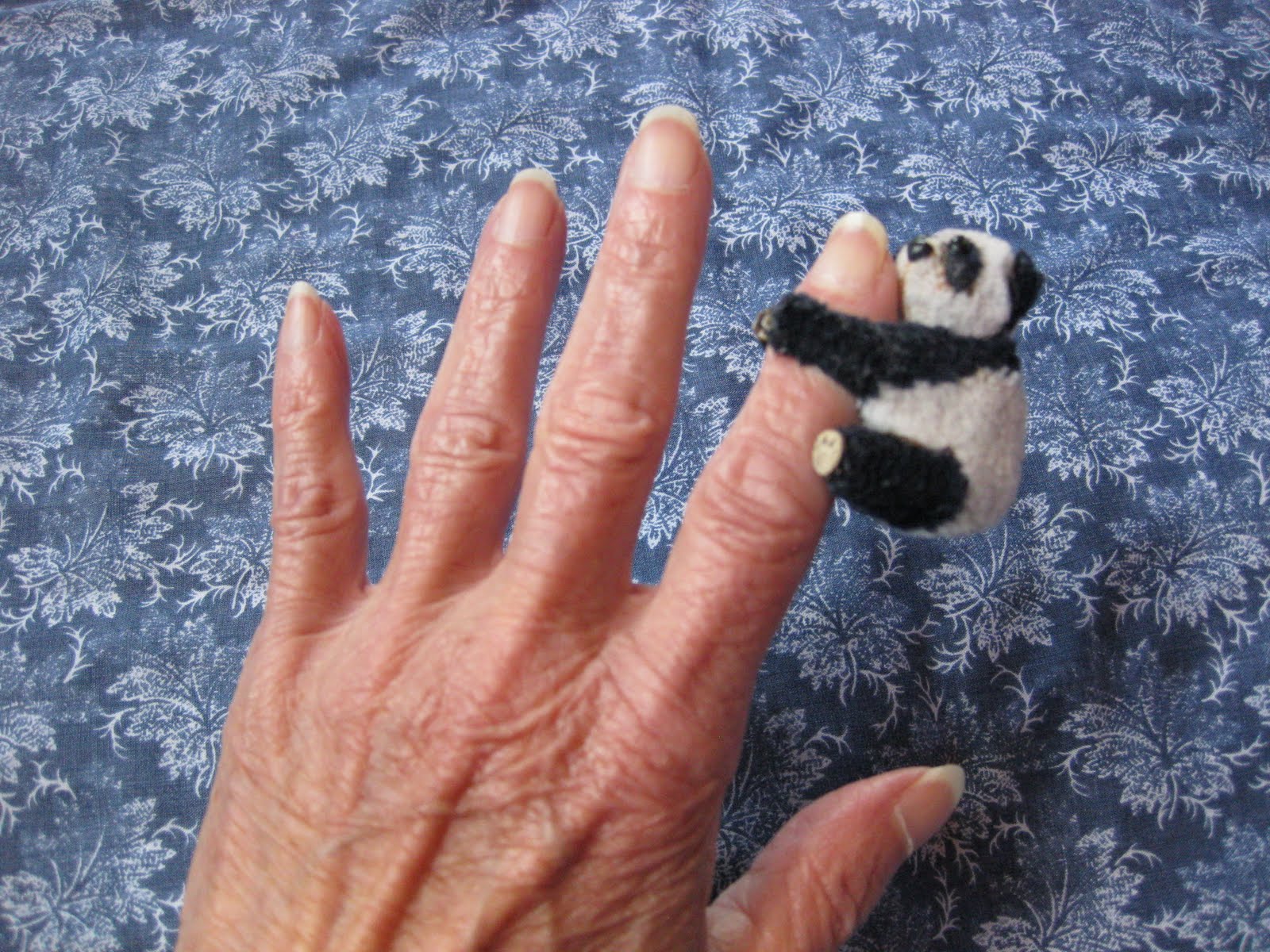 Robert and I used to exchange a tiny toy panda with paws that clutched tightly, permitting us to attach it to objects. I’d leave Panda attached to Robert’s shoelace, on his toothbrush handle, under his pillow, peeking out of his bathrobe pocket, even on top of the coffeepot — anywhere he’d find it unexpectedly and enjoy the surprise.
  Then when one of us would find Panda astride our favorite vibrator, or holding onto the lubricant nozzle, or on the pillow, little legs up, we’d understand the special invitation!
Erotica Around the Table by Rae Francoeur

I loved every page of Free Fall: A Late-in-Life Love Affair
Once you write the words down, they no longer belong to you, a newspaper editor told me. Once I create a piece of writing, it’s out of my hands. I should not be surprised, therefore, by what happened to my erotic memoir, Free Fall: A Late-in-Life Love Affair
The book is a candid and passionate portrayal of my love affair with Jim, which began when Jim was 67 and I was 58. Free Fall celebrates adult sexuality and encourages change, especially when we find ourselves in untenable situations. Jim and I had plenty of life under our belts when we met, including four grown children.
Recently, we sat at a restaurant with Jim’s daughter and a group of her friends. The friends took turns reading aloud the graphic sexual passages to Jim’s daughter. There were plenty of snickers and loud guffaws. The book was about senior sex, and young people consider that fair game for ridicule—even when their friend’s cherished father and his new lover are the butt of their jokes.
Jim was amused and unbothered by what his daughter’s friends did. It’s something men do to each other all the time, he said. They jam you up, test your mettle, play a form of psychological chicken.
As a woman and the author, my take is different. There are numerous short but graphic erotic scenes in Free Fall. A group of young men and women taking turns reading these sex scenes aloud in a public place feels akin to a verbal assault. We all knew that Jim’s daughter had no interest in reading about her father’s sexual prowess.
When I asked my daughter what she thought, the first thing she said was, “This is how it is with books. Once you write it and publish it, it’s no longer yours. It’s like a book burning, only mockery.”
Fortunately, my daughter, who happens to be a librarian, and her friends treated my book very differently. They bought and read the book and posted reviews on Web sites like GoodReads. They wrote both of us, sending along congratulations and rave reviews. I was invited to her library to read to patrons. It was one of the best nights of my life: my daughter, Jim, my daughter’s good friend, and a group of interested and open-minded patrons together sharing stories.
In Free Fall, I write a lot about letting go, staying open, not holding on so tight to what I think I know. Once again I find there is no such thing as a lesson learned for keeps. You learn a lesson in the moment and relearn it, when the need arises.
Check out Rae’s blog.
Man, 82: “I don’t know how to approach a lady friend for sex”
I’m 82, I can get an orgasm but can’t get a firm erection. I don’t know how to approach a lady friend of 65 for sex. I’m afraid to reveal my problem. What can I do?
— Russ
Russ, by all means, talk to your lady friend about your situation. Frankly, I’m sure she’s assuming that you do have erectile difficulties at age 82, and she’s not bringing it up, leaving it up to you to decide when or how much to disclose.
Fortunately, you are capable or orgasms without erections. Many women don’t know this is possible, so you’ll be giving her good news. When you get to this point, please take matters into your own hands to show her exactly the kind of touch that you need. It may be difficult at first to do this, but understand that a woman can’t know how to please you unless you show her.
It used to be easy for us–as well as for you!–when an erection showed us that we were doing what you liked, and you pretty much liked anything we did! But now, both genders have changed in what works for us, and we all need to be more straightforward in communicating this with our partners.
As for her pleasure, are you aware that few women experience orgasms through intercourse alone? Our pleasure centers are our brains, our skin, and our clitoris — all of which are accessible without erections. I’ll be posting some techniques for giving women pleasure without an erection shortly, and I’ll have many more in my upcoming book, Naked at Our Age: Talking Out Loud about Senior Sex.
Since you’re not sexual yet with your lady friend, but you’d like to be, I hope you’re spending quality time with her, getting to know each other as friends, learning how to talk easily together. Let your inner “flirt” out at times, and see how she responds. Compliment her, take her hand, make eye contact, ask her questions about herself.
When you make casual, physical contact–taking her hand, touching her arm, leaning in closer to talk–be super sensitive to her reactions, especially her body language. When you lean in, does she match you, or pull away? When you touch her arm, does she slide it closer, or retract it? You can learn a lot about whether she feels sexual about you by how she reacts to these simple gestures.
I wish you well with your new relationship. I hope you’ll let us know how it develops!
– Joan